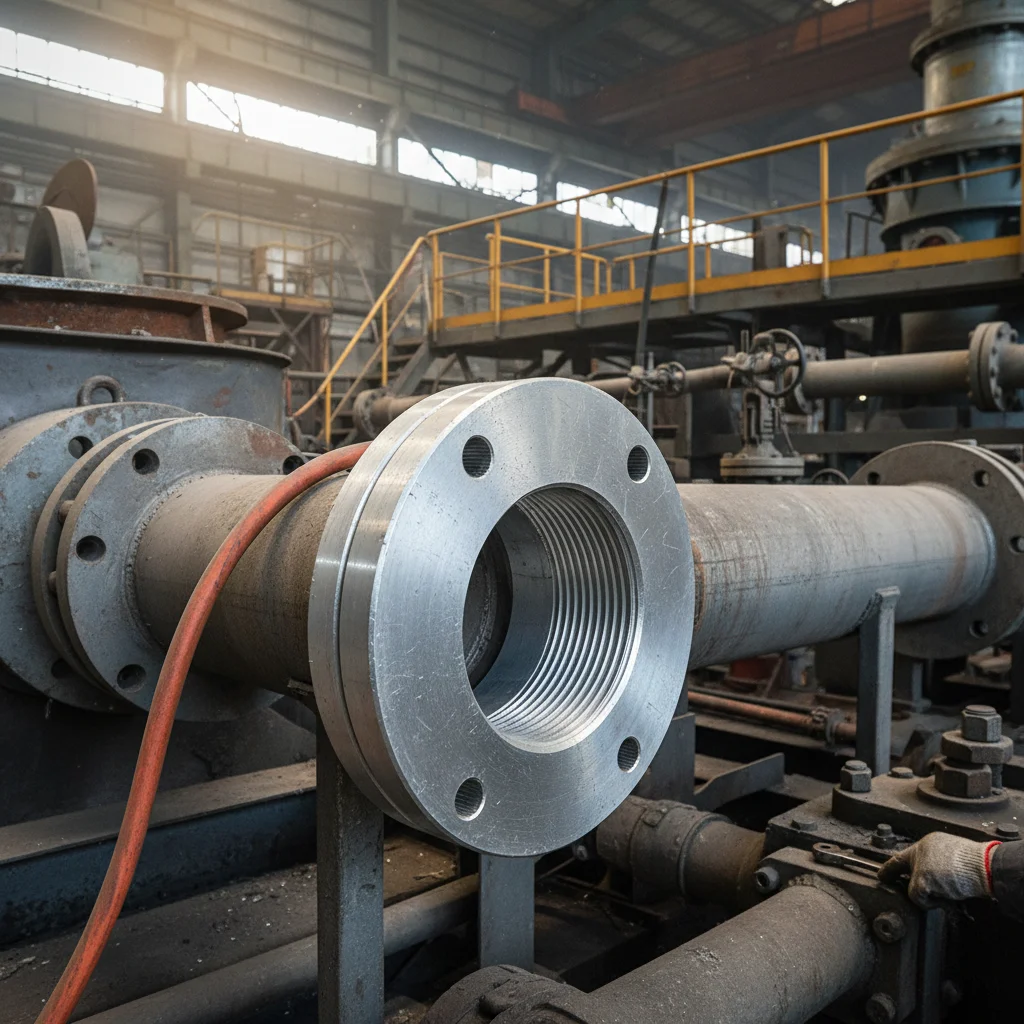
Look, I've spent twenty years in hard hats, on muddy sites, watching things go up – and occasionally, come down. And in all that time, one thing keeps popping up as a critical component: the 50mm threaded flange. It’s not glamorous, it's not going to win design awards, but it’s the silent workhorse that keeps everything connected. Whether it's securing pipework in a wastewater treatment plant, holding structural supports on a commercial build, or ensuring the integrity of a fire suppression system, the 50mm threaded flange is the foundation for reliability. It’s a simple concept, really, but getting it right is everything.
We often underestimate the importance of connection points. Everyone focuses on the big pieces – the steel beams, the concrete pours – but it's the smaller components, like this flange, that truly dictate a project's success. A poorly specified or installed flange isn’t just a maintenance headache; it can lead to catastrophic failures, delays, and, worst case scenario, safety risks. I've seen projects held up for weeks because of flange compatibility issues or substandard materials. It’s a costly lesson.
From a practical standpoint, the 50mm size is a sweet spot. It provides a robust connection for a wide range of applications, without being overly bulky or difficult to handle. It's readily available from suppliers like 50mm threaded flange, which streamlines procurement and minimizes lead times. That’s crucial when you’re trying to keep a project on schedule and within budget.
The Importance of 50mm Threaded Flanges
I’ve seen too many projects delayed by overlooking these critical connection points. The 50mm threaded flange isn't just about holding things together; it's about ensuring the long-term integrity and safety of the entire structure. The sheer volume of these flanges used globally – estimates put it in the billions annually – speaks to their fundamental importance in modern infrastructure.
The demand is driven by continued growth in construction, especially in developing nations where infrastructure is being rapidly expanded. As per the UN's Sustainable Development Goals, access to clean water and sanitation (often reliant on robust piping systems utilizing these flanges) is a key priority. Failing to use quality components impacts these goals.
Global Relevance and Industry Standards
The 50mm threaded flange isn’t just a regional thing; it’s a globally recognized standard. Different countries have their own specific regulations and standards – ANSI/ASME in the US, DIN in Germany, ISO internationally – but the 50mm size is consistently utilized because it balances strength, affordability, and ease of installation. We routinely specify flanges compliant with ISO 729, for example, when working on international projects.
You have to be meticulous about material certification. Cheap imports can look the part, but if they aren't made from the correct grade of steel, or haven't been properly heat-treated, they can fail under stress. We always demand mill test certificates and perform our own quality checks on site. It's a non-negotiable.
The global market for flanges is expanding, and demand fluctuates with economic cycles and construction activity. According to industry reports, the flange market is projected to grow at a CAGR of around 4-5% over the next five years, driven by infrastructure development and industrial growth in Asia-Pacific.
Defining the 50mm Threaded Flange
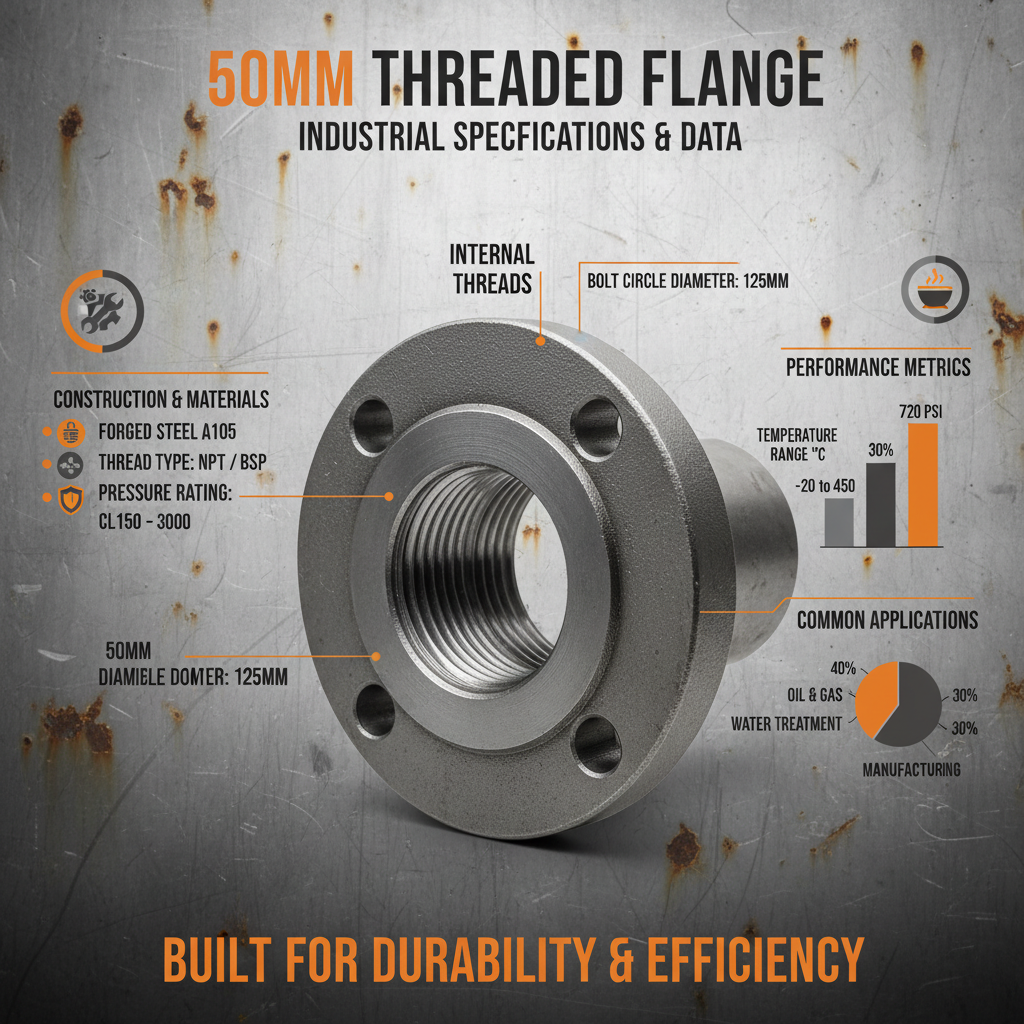
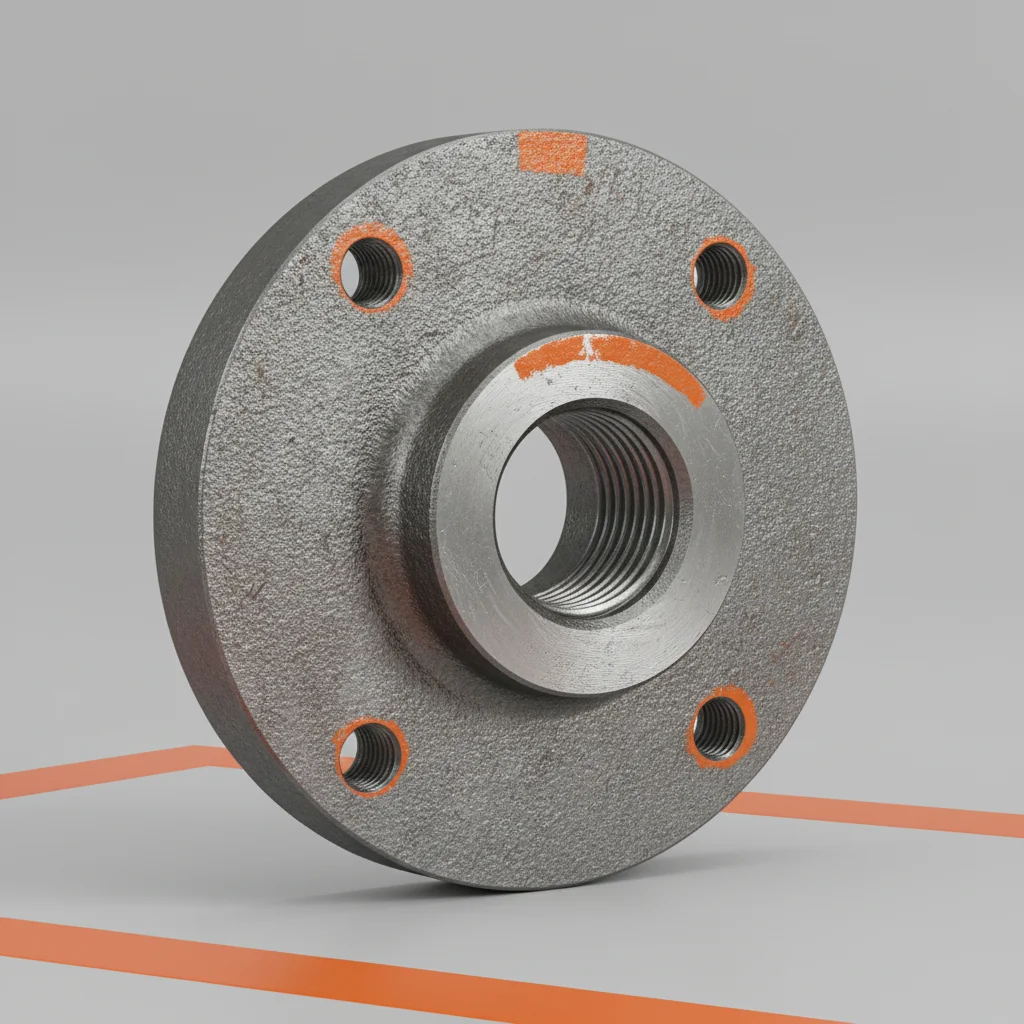
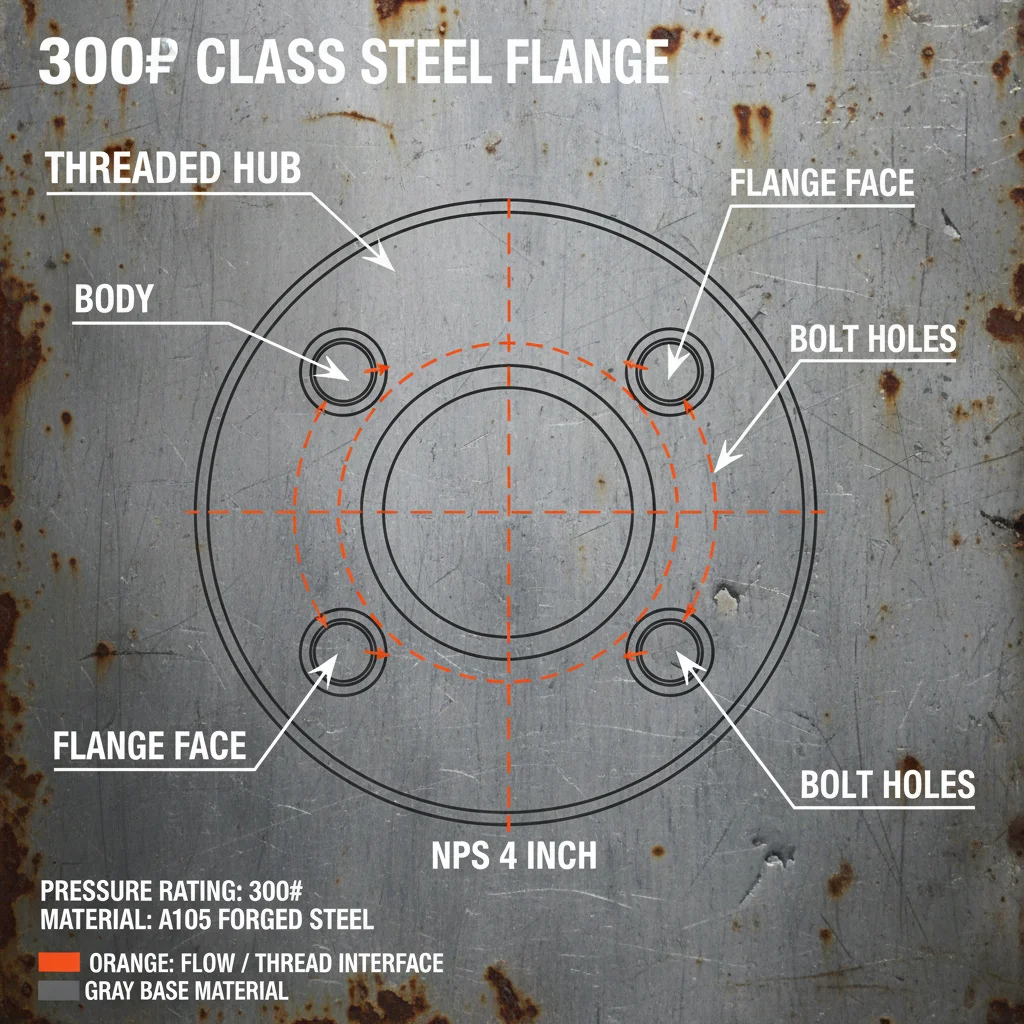
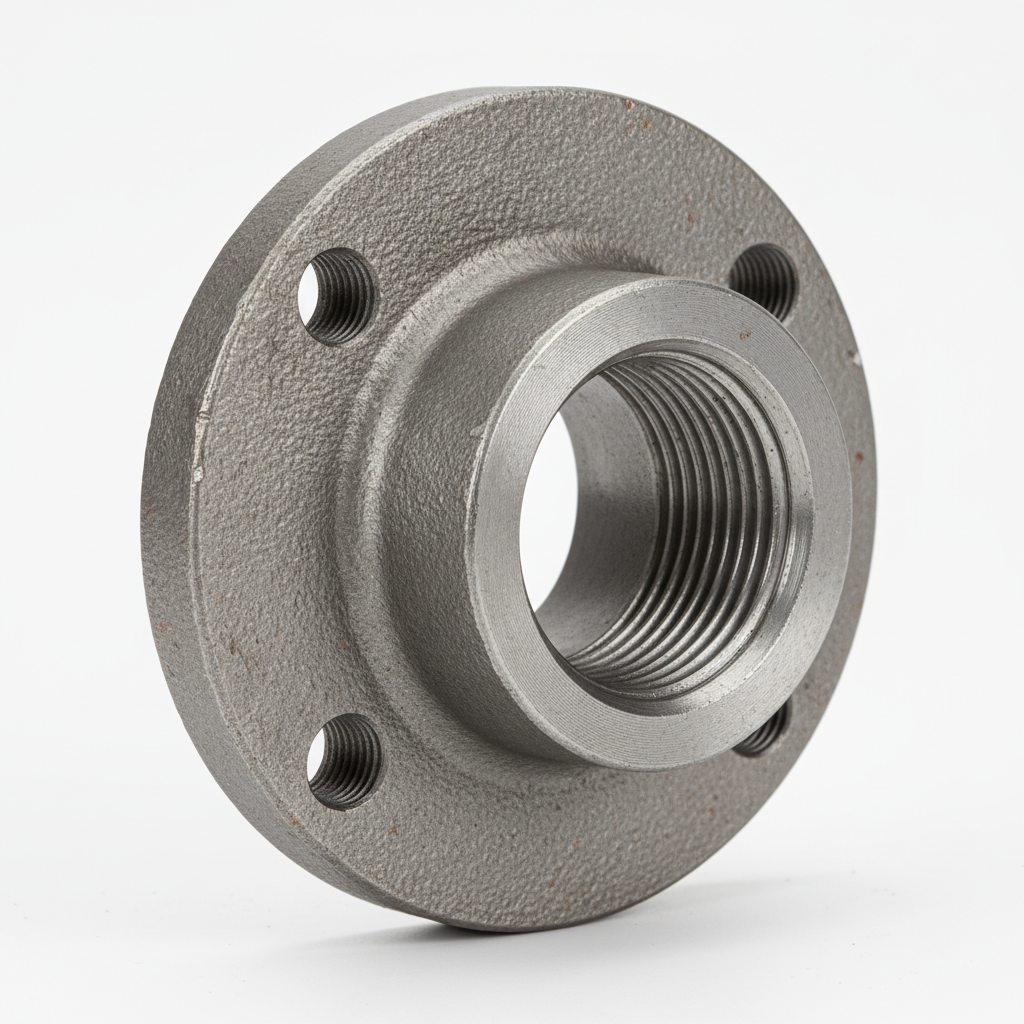
Simply put, a 50mm threaded flange is a circular plate with holes drilled for bolts and a threaded internal diameter of 50 millimeters. This threading allows it to be screwed onto a pipe or fitting, creating a secure, leak-proof connection. The flange distributes the clamping force evenly around the connection point, making it far more reliable than simply welding a pipe directly to another component.
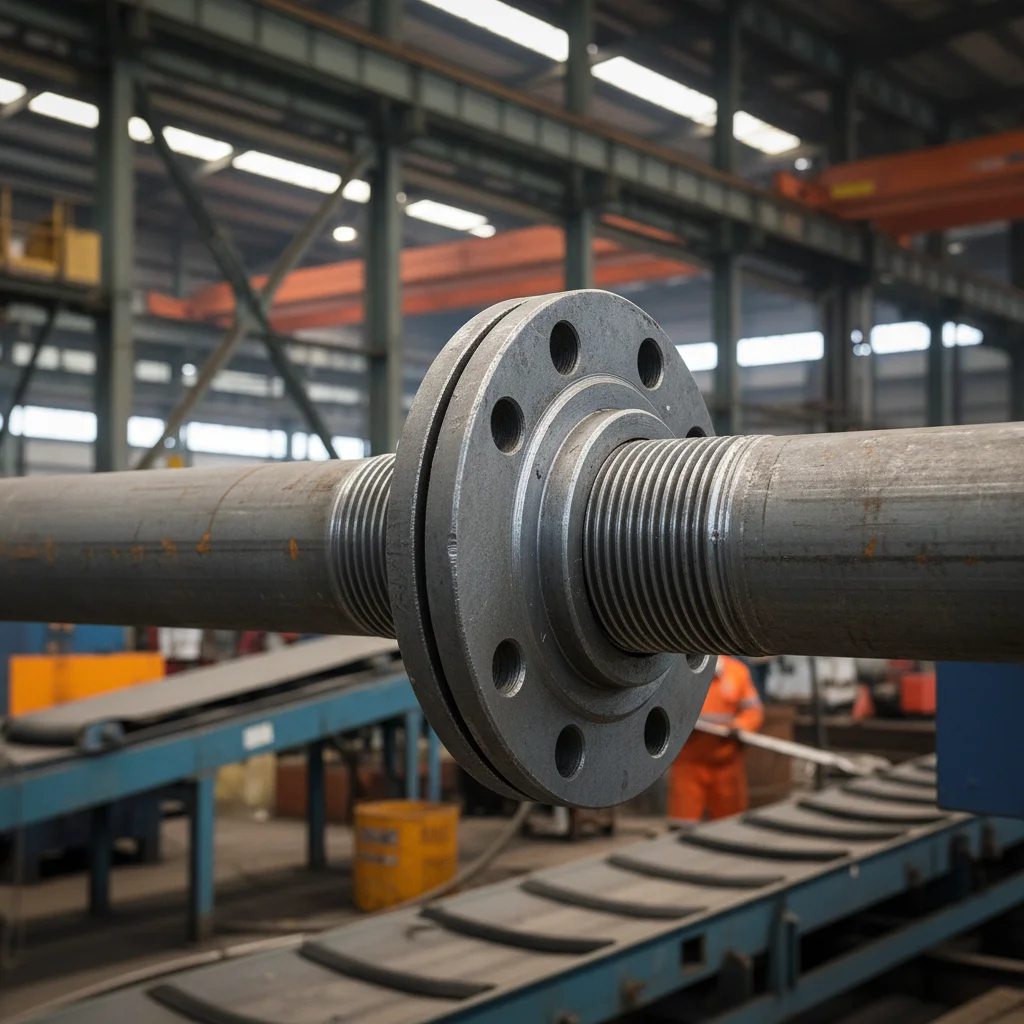
This connects directly to the core of modern industrial needs – efficient and reliable fluid and gas transfer. Think about a water treatment plant. You need to be able to safely convey water through a series of pipes, valves, and filters. A 50mm threaded flange provides that connection, allowing for easy disassembly for maintenance and repair. Without these, many critical systems wouldn’t function.
It's a fundamental component in everything from plumbing to petrochemical plants. The thread allows for easy assembly and disassembly, crucial for maintenance and modifications. The flange itself provides a strong, even distribution of pressure, preventing leaks and ensuring structural integrity.
Key Factors for Reliable Performance
Durability is paramount. You need a flange made from high-quality steel, properly galvanized or coated to resist corrosion. Then you’ve got material compatibility – ensuring the flange material doesn't react with the fluid or gas it's conveying.
Thread accuracy is another critical factor. If the threads aren’t cut precisely, you’ll have issues with sealing and potential leakage. And, of course, the bolt hole pattern must be consistent and accurate to ensure a proper fit with the mating flange. That's why we only source from trusted suppliers.
Performance Rating of 50mm Threaded Flange Materials
Real-World Applications Across Industries
You'll find these flanges everywhere. In wastewater treatment plants, they’re connecting pipes and valves, handling harsh chemicals. In the oil and gas industry, they're securing high-pressure pipelines. In the construction of commercial buildings, they’re part of the fire suppression systems, ensuring safety.
I recently worked on a project building a desalination plant in the Middle East. Thousands of these 50mm threaded flanges were used to connect the intricate network of pipes that bring in seawater and deliver potable water. The reliability of those connections was paramount. In remote industrial zones, quick availability and standardized sizes like 50mm are crucial for minimizing downtime.
Advantages and Long-Term Value Proposition
The biggest advantage? Reliability. A properly installed 50mm threaded flange will last for decades with minimal maintenance. They're also relatively inexpensive compared to other connection methods, like welding, which saves money upfront.
Beyond cost, there’s a sustainability aspect. These flanges allow for easy disassembly and repair, extending the lifespan of the entire system. It's a small thing, but it reduces waste and contributes to a more circular economy. Knowing the system is safe and reliable also gives peace of mind – that’s invaluable.
Future Trends and Technological Advancements
We're seeing a move towards smart flanges, with integrated sensors that can monitor pressure, temperature, and even detect corrosion. This allows for predictive maintenance, reducing the risk of unexpected failures. Digital twin technology, where a virtual replica of a physical system is created, will also leverage data from these sensors to optimize performance.
There's also research into new materials – lightweight composites that offer superior corrosion resistance and strength. Additive manufacturing (3D printing) is also showing promise, potentially allowing for customized flanges to be produced on demand, reducing lead times and inventory costs. Green energy projects, like hydrogen production facilities, will undoubtedly drive demand for specialized flanges capable of handling high pressures and corrosive environments.
Challenges and Solutions
One of the biggest challenges is ensuring proper installation. A flange is only as good as the technician installing it. Improper torqueing of the bolts can lead to leaks and failures. Training and certification programs are crucial. Another challenge is dealing with inconsistent quality from different suppliers.
We’ve started implementing stricter supplier audits and demanding more comprehensive material testing. We’re also exploring the use of digital torque wrenches with data logging capabilities to ensure that bolts are tightened to the correct specifications. Investing in advanced non-destructive testing methods, like ultrasonic testing, can also help identify potential flaws before they become a problem.
The following table summarizes common challenges associated with 50mm threaded flanges and potential solutions:
Summary of Challenges and Solutions for 50mm Threaded Flanges
| Challenge |
Impact |
Solution |
Implementation Cost (1-10) |
| Corrosion |
Reduced lifespan, leaks |
Use corrosion-resistant materials, protective coatings |
6 |
| Improper Installation |
Leaks, structural failure |
Training, certified technicians, torque monitoring |
7 |
| Material Defects |
Premature failure |
Supplier audits, material testing |
8 |
| Thread Damage |
Difficult assembly, leaks |
Careful handling, thread repair kits |
4 |
| Compatibility Issues |
Mismatched threads, poor sealing |
Standardized specifications, careful component selection |
5 |
| Supply Chain Disruptions |
Project Delays, increased costs |
Diversified sourcing, strategic inventory |
9 |
FAQS
A well-maintained 50mm threaded flange, constructed from suitable materials like carbon steel with protective coatings, can easily last 20-30 years or more in a typical industrial setting. However, this greatly depends on the environment. Exposure to corrosive substances, extreme temperatures, or high pressures will significantly reduce its lifespan. Regular inspections and preventative maintenance, such as re-coating or bolt tightening, are vital for maximizing longevity.
Carbon steel flanges are generally more cost-effective and offer excellent strength for most applications. However, they’re susceptible to corrosion, especially in humid or chemically exposed environments. Stainless steel flanges, particularly those made of 304 or 316 stainless steel, provide superior corrosion resistance. While they're more expensive upfront, the long-term cost savings from reduced maintenance and replacement often outweigh the initial investment, especially in harsh conditions.
Torque specifications vary depending on the flange material, bolt size, and application. Always consult the manufacturer's documentation for specific recommendations. Generally, you’ll need a calibrated torque wrench to ensure even and accurate tightening. Under-torquing can lead to leaks, while over-torquing can damage the flange or bolts. A gradual, cross-pattern tightening sequence is also crucial for proper sealing.
Yes, 50mm threaded flanges are compatible with a wide range of gaskets, including rubber, fiber, PTFE (Teflon), and metal gaskets. The choice of gasket material depends on the fluid or gas being conveyed, the temperature, and the pressure. Ensure the gasket is properly sized and installed to prevent leaks. Compatibility charts from gasket manufacturers are valuable resources.
Common causes include improper torqueing of bolts, damaged or mismatched gaskets, corrosion of the flange or threads, and debris lodged in the sealing surface. Regular inspections, proper maintenance, and the use of appropriate materials are essential for preventing leaks. Also, verify the flange faces are clean and free from imperfections before assembly.
Look for flanges that meet relevant industry standards, such as ANSI/ASME, DIN, or ISO. Certifications like ISO 9001 demonstrate the manufacturer's commitment to quality control. Mill test certificates verifying the material composition and mechanical properties are also essential. Ensure the supplier can provide documentation confirming compliance with applicable regulations.
Conclusion
The 50mm threaded flange may seem like a small component, but it’s a cornerstone of countless industries. From ensuring safe water delivery to facilitating complex industrial processes, its reliability and versatility are unmatched. Prioritizing quality materials, proper installation, and ongoing maintenance are critical for maximizing its lifespan and preventing costly failures.
As we look to the future, advancements in materials science and sensor technology will only enhance the performance and reliability of these critical connections. Investing in smart flanges and embracing predictive maintenance strategies will be key to optimizing efficiency and ensuring the long-term integrity of our infrastructure. For reliable 50mm threaded flange solutions, visit our website: www.weihuantube.com